Non-invasive circulatory support
External Counterpulsation (ECP)
Precisely synchronized pneumatic compression designed to improve oxygenated blood flow and support cardiovascular function.
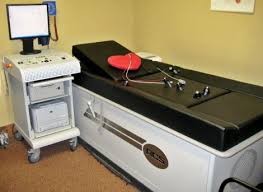
How ECP works
Cuff inflation synchronized with the heart cycle
Three sets of inflatable cuffs are placed around the upper legs, lower legs and buttocks. During diastole—the resting phase of the heart cycle—the cuffs inflate in sequence to move blood toward the heart, then release before the next heartbeat.
This process increases diastolic pressure and reduces systolic workload. The resulting mechanical stress on arterial walls can support nitric oxide production, vasodilation, endothelial function, collateral circulation and microvascular density.
ECP is FDA-cleared and Medicare-approved for qualifying indications. More than 200 clinical publications have examined external counterpulsation and its effects on blood flow, symptoms and exercise capacity.
Clinical and wellness applications
Reported benefits of improved circulation
Applications and outcomes vary by patient. ECP must be prescribed and supervised by qualified healthcare professionals and is not appropriate for every person.
Patient qualification
Screening and treatment course
Candidates generally have documented coronary disease with exertional chest pain, shortness of breath, chronic fatigue or palpitations; are not suitable for—or decline—surgical intervention; and have not adequately responded to medication. A stress test is required before a typical 35-session course and again after completion to measure response and guide continued care.
Safety
Contraindications
- Hypertrophic cardiomyopathy
- Atrial fibrillation or arrhythmia that interferes with machine triggering
- Congenital heart disease
- Pulmonary hypertension
- Valvular disease
- Severe peripheral vascular disease
- Pacemaker
- Active thrombophlebitis
- Haemorrhage or bleeding diathesis
- Severely elevated hypertension
- Resting heart rate above 120 beats per minute
- Aortic aneurysm
- Pregnancy
Pricing and support
$40,000 plus $2,000 US shipping
The purchase includes a one-year warranty for parts and labor, on-site setup and one full day of on-site training.
Product details
Setup and technical specifications
- Price
- $40,000
- US shipping
- $2,000
- Included support
- On-site setup and one day of on-site training
- Warranty
- One year for all parts and labor
- Recommended room
- 8 × 10 ft to 10 × 10 ft
- Bed platform
- 35 × 86 in
- Console footprint
- Approximately 2 × 2.5 ft
- Head clearance
- 18 in from wall
- Side clearance
- 36 in from wall on both sides
- Foot clearance
- 24 in from wall
- Electrical
- 20 A, 240 V outlet within 8 ft of the head of the bed
- Receptacle
- Hubbell HBL2410, NEMA L14-20R, 3-pole grounded twist-lock
- Connectivity
- Ethernet CAT5 connection for updates
Plan your ECP installation
Talk with Nordic Health Solutions about clinical fit, room requirements, electrical preparation, delivery and staff training.
Request a consultation